Becoming a Pilates instructor is a meaningful career path for people who are passionate about movement, wellness, and helping others build strength, balance, flexibility, and confidence. Whether you want to teach part-time, begin a new fitness career, or deepen your personal Pilates practice, Pilates teacher training can help you develop the skills needed to lead safe, effective sessions.
The path to becoming a Pilates instructor typically includes choosing a reputable training program, completing required program hours, gaining hands-on teaching experience, and earning a credential that prepares you to teach in studios, gyms, wellness centers, or private settings.
Choose the Right Pilates Program
The first step is selecting a Pilates teacher training program that aligns with recognized industry standards. Look for programs verified by the National Pilates Certification Program (NPCP), as this indicates that completing the program will make you eligible to sit for the NPCP Certification Exam. A comprehensive Pilates program should include at least 450 training hours to support a strong foundation across Pilates principles, teaching methodology, anatomy, and apparatus work, including the Mat, Reformer, Chair, Barrels and Cadillac.
It is also important to consider the program format. In-person training is especially valuable when learning how to move, teach, and safely guide clients on different pieces of equipment. Mentorship is another key factor to look for, as programs that connect students with experienced Master Trainers can provide helpful feedback, practical guidance, and confidence-building before you begin teaching independently.
Complete Your Pilates Teacher Training Hours
Most comprehensive Pilates teacher training programs require a combination of in-studio study, self-study, observation, practice teaching, and supervised training.
Pilates teacher training often includes:
- In-person instruction on movement technique and equipment use
- Online coursework in anatomy, biomechanics, and teaching methodology
- Observation of experienced Pilates instructors
- Practice teaching with peers, mentors, or clients
- Supervised teaching hours or apprenticeship experience
- Written and practical assessments
A strong training program should also help future instructors learn how to modify Pilates exercises for different fitness levels, body types, injuries, chronic conditions, and special populations. This preparation is important for creating safe, inclusive, and effective classes for a wide range of clients.
Gain Teaching Experience Through Apprenticeship
Before teaching independently, aspiring Pilates instructors often complete observation, assistant teaching, and supervised practice teaching hours. This stage helps bridge the gap between learning Pilates exercises and confidently leading a class or session.
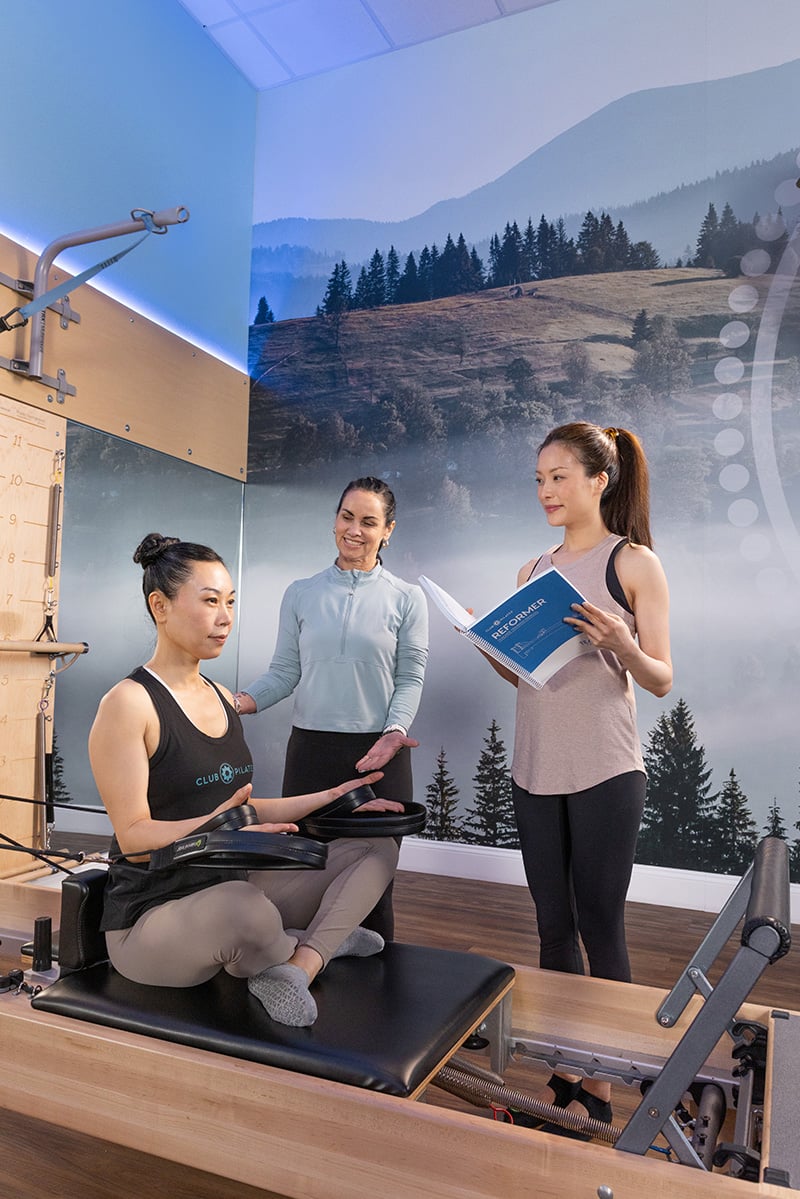
During apprenticeship or supervised teaching, trainees may observe experienced instructors, assist, and gradually begin teaching portions of class. Feedback from mentors can help improve cueing, pacing, class flow, client communication, and exercise modifications.
Hands-on teaching experience is essential because Pilates instruction requires more than memorizing exercises. Instructors need to understand how to read the room, adapt to individual needs, offer clear guidance, and help clients move safely and effectively.
Earn Your Pilates Instructor Certification
After completing the required coursework, training hours, and teaching practice, students typically complete final assessments. These may include a written exam, practical teaching evaluation, or program-specific test out.
Some instructors also choose to pursue a nationally recognized Pilates certification exam, such as the NPCP Exam, after completing their initial teacher training assessments. This can help show employers that an instructor has met an established standard of knowledge and competency.
Continuing education is also an important part of a Pilates career. As instructors gain experience, they may choose to study advanced apparatus work, athletic conditioning, injury modifications, pre- and postnatal Pilates, rehabilitation-focused movement, or specialized training for specific client populations.
Start Applying for Pilates Instructor Jobs
Once certified, new Pilates instructors can begin applying for teaching opportunities. Pilates instructors may work in boutique studios, fitness centers, wellness facilities, gyms, rehabilitation-adjacent settings, or private training environments.
When applying for Pilates instructor jobs, it is helpful to prepare a resume that highlights your certification, training hours, apparatus experience, apprenticeship work, and any related fitness or wellness background. Many studios may also ask applicants to complete a teaching audition or demonstrate how they cue exercises, modify movements, and connect with clients.
Your first teaching role is also an opportunity to continue learning. With practice, new Pilates instructors can refine their teaching style, build client relationships, and gain confidence leading both group classes and private sessions.
Ready to Become a Pilates Teacher?
A comprehensive Pilates teacher training program can help you turn your passion for movement into a rewarding career. By choosing a reputable program, you can build the foundation needed to teach Pilates safely and confidently.
Club Pilates' 450-hour program blends in-person training, independent study, and online learning to prepare graduates for a career in Pilates. Enroll here.